Understanding Toe Walking in Children
Toe walking is frequently observed in pediatric cases, prompting searches for resources like toe walking exercises PDFs. Physiotherapists offer guidance,
and videos demonstrate techniques for addressing muscle imbalances and improving gait patterns in children.
What is Toe Walking?
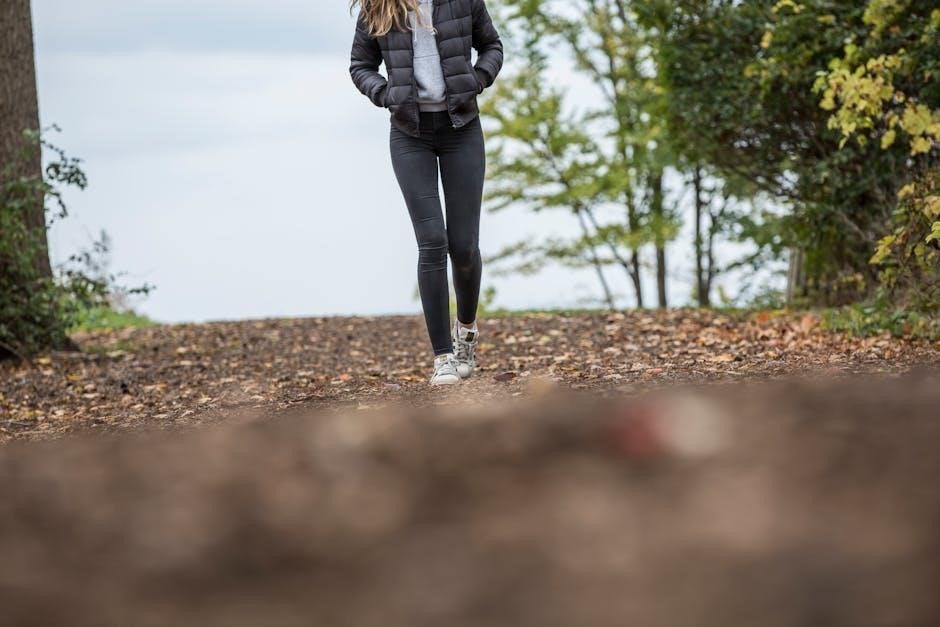
Toe walking, clinically defined as walking primarily on the balls of the feet, is a common occurrence in young children. It’s often observed during developmental stages, but persistent toe walking warrants attention. Many parents begin researching solutions, frequently searching for resources like toe walking exercises PDFs to understand and address the condition.
Typically, children initially toe walk as they learn to walk, as it can provide a sense of balance. However, when it continues beyond two years of age, it’s considered persistent. This can be idiopathic – meaning there’s no identifiable cause – or linked to underlying factors; Resources from pediatric physiotherapists, often available as downloadable guides or toe walking exercises PDFs, emphasize early intervention. These guides detail assessments and exercises to improve ankle flexibility and strengthen relevant muscles. Videos featuring children like Mykael, a persistent toe walker, demonstrate the practical application of these techniques, offering hope and guidance to families navigating this concern.
Common Causes of Toe Walking
Several factors can contribute to toe walking in children. Often, it’s simply a learned habit, a motor pattern that develops without a clear underlying cause. However, it can also stem from tighter calf muscles, limiting ankle dorsiflexion – the upward bending of the foot. Neurological factors, though less common, can also play a role, requiring a more thorough evaluation.
Parents seeking solutions often turn to online resources, including searches for toe walking exercises PDFs. These resources highlight the importance of addressing muscle imbalances. Physiotherapists like Elzanne Myburgh provide simple, at-home exercises, often detailed in downloadable guides or toe walking exercises PDFs. Understanding the root cause is crucial; is it habit, tightness, or something else? Dr. Mandy Kirk’s presentations explain these causes and suggest targeted exercises. Ultimately, a professional assessment is vital to determine the appropriate course of action, potentially involving a customized exercise plan found within a comprehensive toe walking exercises PDF.
Developmental Toe Walking
Developmental toe walking is frequently observed in toddlers learning to walk, often resolving independently by age three. It’s considered typical when it appears early and isn’t persistent. However, if toe walking continues beyond this age, or is accompanied by other motor skill delays, further investigation is warranted. Many parents initially seek guidance through readily available online resources, searching for toe walking exercises PDFs to implement at home.
These toe walking exercises PDFs often emphasize calf stretches and ankle strengthening. Resources from pediatric physiotherapists, like those found online, demonstrate simple techniques. Videos featuring children like Mykael, a persistent toe walker, showcase exercises in action. While these resources can be helpful, it’s important to remember they aren’t a substitute for professional evaluation. A physiotherapist can determine if the toe walking is truly developmental or indicative of an underlying issue, tailoring an exercise program – potentially detailed in a personalized toe walking exercises PDF – to the child’s specific needs.
Habitual Toe Walking
Habitual toe walking differs from developmental toe walking as it persists beyond the typical age of resolution, often becoming an ingrained pattern. Children may continue toe walking even when not actively walking, and it can be more pronounced during specific activities. Parents often turn to online resources, seeking toe walking exercises PDFs to address this established habit. These PDFs frequently include stretching routines targeting the calf muscles – both gastrocnemius and soleus – and exercises to improve ankle dorsiflexion.
Resources from professionals, like Elzanne Myburgh of Recharge Physio, provide simple at-home exercises. However, breaking a habitual pattern requires consistent effort and may benefit from professional guidance. A physical therapist can assess the underlying muscle imbalances and create a tailored program, potentially documented in a customized toe walking exercises PDF. Simply following generic exercises may not be sufficient; a thorough evaluation is crucial to address the root cause and prevent the habit from becoming further entrenched. Videos demonstrating exercises, alongside a toe walking exercises PDF, can aid understanding and proper form.
Neurological Factors Contributing to Toe Walking
While often idiopathic, toe walking can sometimes stem from neurological factors impacting muscle control and coordination. Conditions affecting muscle tone, such as cerebral palsy or muscular dystrophy, can manifest as toe walking. In these cases, a comprehensive neurological evaluation is paramount, and interventions extend beyond simple stretching. Parents seeking solutions often search for toe walking exercises PDFs, but these should always be implemented under the guidance of a qualified professional when neurological involvement is suspected.
Dr. Mandy Kirk’s presentations highlight the multiple causes, emphasizing the need for accurate diagnosis. A toe walking exercises PDF designed for habitual toe walking may be inappropriate, or even detrimental, if a neurological issue is present. Physical therapy focuses on improving motor skills, strengthening weak muscles, and addressing any associated balance deficits. A tailored program, potentially outlined in a specialized toe walking exercises PDF created by a therapist, will address the specific neurological challenges. Early intervention and a collaborative approach between neurologists and physical therapists are crucial for optimal outcomes.
Physical Therapy Exercises for Toe Walking
Physical therapy utilizes targeted exercises to correct toe walking. Many parents seek toe walking exercises PDFs for home practice, focusing on calf stretches and strengthening activities.
Calf Stretching Exercises
Calf stretching is a cornerstone of physical therapy for toe walking, addressing the often-present tightness in the gastrocnemius and soleus muscles. Numerous resources, including readily available toe walking exercises PDFs, detail these stretches. These PDFs often illustrate proper form to maximize effectiveness and prevent injury.
Consistent stretching increases ankle dorsiflexion, allowing for a more natural heel-to-toe gait. Parents can find variations within these PDFs, adapting to their child’s flexibility and comfort level. Holding each stretch for 20-30 seconds, repeated several times daily, is generally recommended.
It’s crucial to remember that stretching should not cause pain. The goal is gentle lengthening, not forceful manipulation. Many downloadable guides emphasize the importance of a slow, controlled stretch. Combining these stretches with other exercises, as outlined in comprehensive toe walking exercises PDFs, yields the best results, promoting long-term correction and improved mobility.
Gastrocnemius Stretch
The gastrocnemius stretch specifically targets the larger calf muscle, frequently tight in children who toe walk. Many toe walking exercises PDFs prioritize this stretch due to its significant impact on ankle flexibility. Typically, this involves leaning against a wall with one leg extended straight back, heel firmly planted on the ground, and a slight bend in the front knee.
These PDFs often include visual aids demonstrating correct posture – a straight back, engaged core, and a gentle lean forward. Holding the stretch for 20-30 seconds, repeating 2-3 times per leg, is a common recommendation.
Variations, detailed in downloadable guides, include performing the stretch with a slightly bent knee to isolate the soleus muscle; It’s vital to avoid bouncing, focusing instead on a sustained, comfortable stretch. Consistent implementation, guided by toe walking exercises PDFs, can significantly improve ankle range of motion and contribute to a more normalized walking pattern.
Soleus Stretch
The soleus stretch, often detailed in toe walking exercises PDFs, focuses on the deeper calf muscle, crucial for plantarflexion. Unlike the gastrocnemius stretch, this is performed with both knees bent, maintaining heel contact with the ground. This isolates the soleus, addressing tightness that contributes to habitual toe walking.
Many downloadable guides emphasize the importance of a controlled stretch, avoiding any bouncing movements. Leaning forward from the ankles, keeping the back straight and core engaged, maximizes the stretch’s effectiveness. Holding the position for 20-30 seconds, repeating several times, is a standard protocol.
Toe walking exercises PDFs frequently illustrate proper form, highlighting the subtle difference between this and the gastrocnemius stretch. Combining both stretches provides a comprehensive approach to calf muscle flexibility, aiding in correcting the underlying biomechanics associated with toe walking and promoting a heel-to-toe gait.
Ankle Dorsiflexion Exercises
Ankle dorsiflexion exercises, commonly found within toe walking exercises PDFs, aim to improve the range of motion in bringing the foot upwards towards the shin. Limited dorsiflexion often restricts a full heel strike, contributing to toe walking patterns. These exercises counteract this limitation, promoting proper gait mechanics.
Resources often detail simple exercises like ankle pumps – gently pointing toes up and down – and alphabet tracing with the foot. Resistance bands can be incorporated to increase the challenge, strengthening the tibialis anterior muscle, a key dorsiflexor. Toe walking exercises PDFs frequently demonstrate these techniques visually.
Improving dorsiflexion isn’t just about stretching; it’s about strengthening the muscles responsible for the movement. Consistent practice, as outlined in these guides, helps children achieve a more natural and efficient walking pattern, reducing reliance on toe walking and fostering better balance and coordination.
Towel Curls
Towel curls are a frequently recommended exercise detailed in many toe walking exercises PDFs, targeting intrinsic foot muscle strength. This exercise helps improve foot flexibility and encourages a more complete foot strike during walking, addressing a common issue in toe walkers.
The technique involves sitting with the foot flat on the floor and a towel placed underneath. The child then uses their toes to scrunch the towel towards themselves, actively engaging the small muscles within the foot. Variations include using different towel textures or adding a slight resistance.
Toe walking exercises PDFs often emphasize the importance of slow, controlled movements during towel curls. This ensures proper muscle activation and prevents compensation with other muscle groups. Regular practice strengthens the foot muscles, promoting better arch support and facilitating a more natural heel-to-toe gait pattern, ultimately reducing toe walking tendencies.
Marble Pick-Ups
Marble pick-ups are a beneficial exercise frequently outlined in toe walking exercises PDFs, designed to enhance fine motor skills and strengthen the intrinsic muscles of the foot. This exercise directly addresses the weakness often present in children who habitually toe walk, promoting a more balanced and functional gait.
To perform this exercise, a child sits with their feet flat on the floor and a collection of marbles scattered nearby. Using only their toes, they pick up one marble at a time and place it into a container. This requires focused effort and isolates the toe flexor muscles.
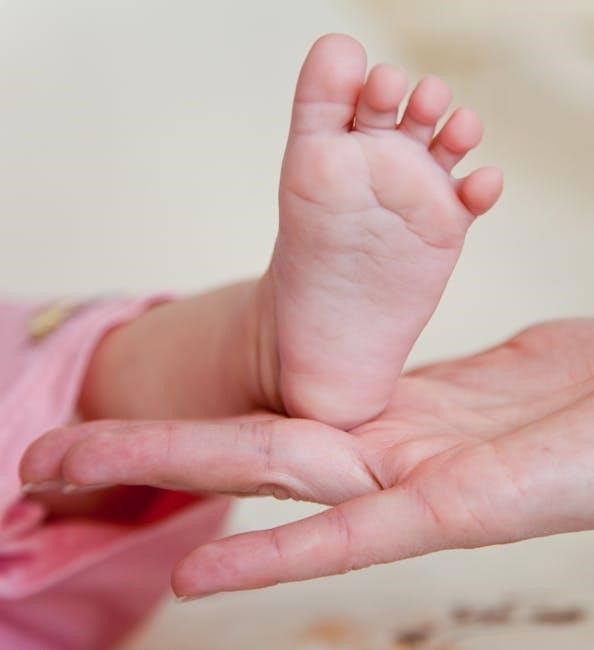
Toe walking exercises PDFs often suggest starting with larger marbles and gradually progressing to smaller ones as strength improves. Emphasis is placed on maintaining good posture and avoiding compensatory movements. Consistent practice with marble pick-ups can significantly improve foot muscle control and encourage a more complete foot placement during walking, aiding in the correction of toe walking.
Strengthening Exercises for Weak Muscles
Strengthening exercises are a cornerstone of any program detailed in toe walking exercises PDFs, targeting the muscles often underdeveloped in children who toe walk. These exercises aim to improve overall foot and ankle strength, promoting a more natural and efficient walking pattern. Weakness in the anterior tibialis (shin muscle) is commonly addressed.
Toe walking exercises PDFs frequently recommend exercises like toe raises – lifting only the toes off the ground while keeping the heel planted – to strengthen the muscles responsible for dorsiflexion. Heel walks, where the child walks on their heels, are also crucial for engaging the anterior tibialis.
Furthermore, resistance bands can be incorporated to provide additional challenge. Consistent implementation of these strengthening exercises, as outlined in the PDFs, helps rebuild muscle strength, improve balance, and ultimately reduce the tendency to toe walk, fostering healthier biomechanics.
Toe Raises
Toe raises are a fundamental exercise frequently detailed within toe walking exercises PDFs, designed to strengthen the muscles responsible for lifting the foot upwards – the anterior tibialis. This muscle is often weak in children who habitually toe walk, contributing to the imbalance. The exercise involves lifting only the toes off the ground, keeping the heels firmly planted.
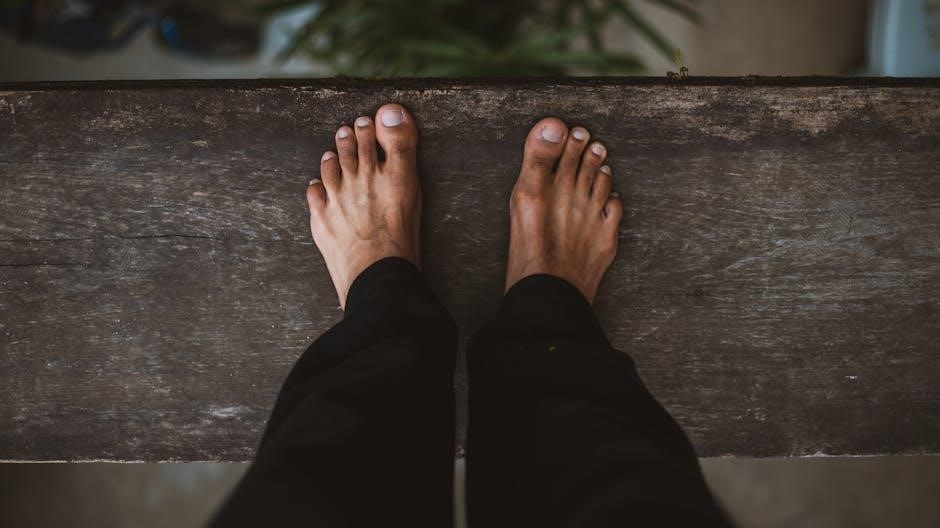
Toe walking exercises PDFs often suggest starting with a small number of repetitions, gradually increasing as strength improves. Variations include performing toe raises against resistance, using a resistance band looped around the foot, to further challenge the muscles. Proper form is crucial; ensure the child maintains a controlled movement and doesn’t compensate by bending the knees.
Regular practice of toe raises, as prescribed in the PDFs, helps rebuild strength, improve dorsiflexion range of motion, and encourages a more heel-to-toe walking pattern, ultimately reducing the reliance on toe walking.
Heel Walks
Heel walks are a key component often found within comprehensive toe walking exercises PDFs, specifically targeting the calf muscles (gastrocnemius and soleus). This exercise encourages weight-bearing through the heels, actively stretching the tight muscles commonly associated with toe walking and promoting a more natural gait pattern;
Toe walking exercises PDFs typically instruct children to walk forward, lifting the toes off the ground and propelling themselves solely using their heels. Initially, a short distance is recommended, gradually increasing as the child gains strength and control. Supervision is important to ensure proper form and prevent falls.
Consistent practice of heel walks, as outlined in these PDFs, helps to lengthen the calf muscles, improve ankle flexibility, and retrain the neuromuscular system to prioritize heel strike during walking. This exercise complements other strengthening and stretching routines for optimal results.
Balance and Coordination Exercises
Balance and coordination drills, often detailed in toe walking exercises PDFs, are crucial. Activities like balance beam walking and target practice enhance stability and proper foot placement.
Balance Beam Walking
Balance beam walking is a fantastic exercise frequently found within comprehensive toe walking exercises PDFs. It directly challenges a child’s ability to maintain equilibrium and encourages weight shifting through the entire foot, rather than relying on the toes. Begin with a wider, lower beam – even a line taped on the floor can be effective initially.
The goal is to progress to a narrower, slightly elevated beam as the child’s balance improves. Supervision is essential, and spotting can provide reassurance. Encourage a slow, controlled pace, focusing on looking ahead rather than down at their feet. Variations can include carrying a small object to increase the challenge or walking backward.
This exercise isn’t just about strengthening muscles; it’s about retraining the neurological pathways responsible for balance and coordination. Consistent practice, as outlined in many physiotherapy-created PDFs, can significantly improve a child’s gait and reduce toe walking tendencies. Remember to prioritize safety and make it a fun, engaging activity!
Target Practice for Foot Placement
Target practice for foot placement, often detailed in toe walking exercises PDFs, is a playful yet effective method for encouraging full foot contact. Create targets using tape, mats, or even colorful paper shapes on the floor. The child’s task is to step and land with their entire foot on the target.
Start with larger targets and gradually decrease the size as their accuracy improves. Vary the distance between the child and the targets to increase the challenge. You can also incorporate a scoring system to make it more engaging. Encourage them to consciously think about flattening their feet as they step.
This exercise helps to address the proprioceptive awareness – the sense of where the foot is in space – which is often diminished in children who toe walk. Regularly practicing this, as recommended in physiotherapy resources, can help retrain the muscles and improve their ability to land flat-footed, ultimately reducing toe walking habits.
Integrating Exercises into Daily Activities
Successfully managing toe walking, often supported by toe walking exercises PDFs, requires consistent practice, and seamlessly integrating exercises into daily routines is key. Turn playtime into therapy! Encourage full foot contact during games like building with blocks or playing catch.
During walks, gently remind the child to “put your heels down” or make it a game to see who can walk the flattest. Incorporate calf stretches while brushing teeth or watching TV. Even simple activities like stepping over small obstacles can promote proper foot mechanics.
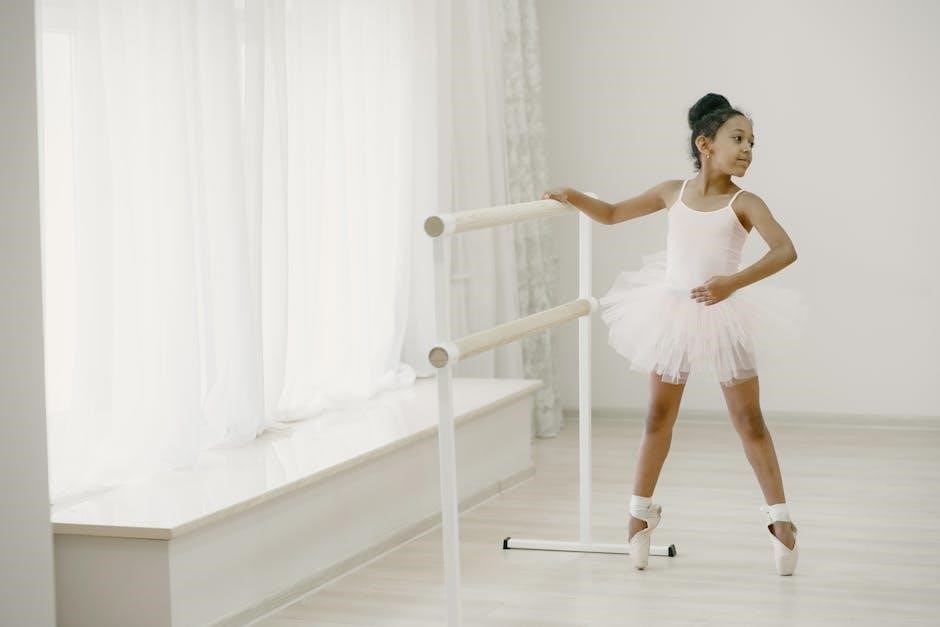
Consistency is more important than lengthy sessions. Short, frequent reminders and playful integration of exercises throughout the day will yield better results than infrequent, intense workouts. Remember to consult resources and a physiotherapist for tailored guidance, ensuring exercises are appropriate and effective for the child’s specific needs.
When to Seek Professional Help
While toe walking exercises PDFs can offer helpful routines, professional evaluation is crucial in certain situations. If toe walking persists beyond three years of age, or is accompanied by other motor skill delays, consult a pediatrician or pediatric physiotherapist.
Seek help immediately if toe walking is sudden, affects only one side, or is linked to muscle tightness or pain. A professional can accurately diagnose the underlying cause – whether developmental, habitual, or neurological – and create a personalized treatment plan.
They can assess gait, muscle strength, and range of motion, determining if more intensive interventions, beyond basic exercises, are necessary. Early intervention often leads to better outcomes. Don’t hesitate to seek expert guidance to ensure your child’s healthy development and address any potential concerns effectively.